If you have ever watched a post-match breakdown from a professional esports analyst, you have witnessed something most viewers take for granted: the ability to scrub through a match from any angle, pause on a single frame, and measure exactly what a player did at the exact moment a fight broke out. That experience does not happen by accident. It is powered by a surprisingly deep layer of technology sitting underneath competitive play.
Most modern esports titles capture match data in one of two ways. The first is a full video recording, essentially a compressed video file of everything rendered on screen. This is straightforward but expensive in storage terms and offers limited flexibility — you can rewind and fast-forward, but you cannot change the camera angle after the fact.
The second, more powerful approach is a game-state recording, sometimes called a demo file or replay file. Instead of saving pixels, the game saves a timestamped log of every meaningful event that occurred during the match: player positions, inputs, ability uses, projectile trajectories, damage values, and dozens of other variables. When you load that file later, the game engine literally replays the match by re-simulating those events from scratch, rendering fresh frames as if the match were happening live. Because you are re-running the simulation rather than playing back a video, you can drop a free camera anywhere in the scene, slow time down to a fraction of its original speed, or fast-forward to a specific round — options that a video file simply cannot offer.
This approach does come with complications. If the game patches between a match being played and a replay being loaded, small differences in game logic can cause the simulation to desync, producing a replay that drifts further and further from what actually happened. This is why major titles often archive the exact game build used during a tournament, allowing organizers to restore it specifically to load old demos accurately.
Analysis platforms used by professional teams take this a step further. They ingest demo files and parse them into structured databases, tagging each event with metadata so coaches can query things like "show me every round where our AWPer peeked a specific angle in the first ten seconds." This kind of searchable, structured replay data is what separates modern esports coaching from simply watching footage.
For hardware and peripherals brands, including divisions like ShazGear, accurate frame-level data from replay systems also matters for testing input latency claims — because demo files can reveal the precise tick at which a player input registered compared to when an in-game event resolved.
Replay technology is not glamorous, but it is one of the foundational tools that makes esports analysis as rigorous as it is.
Esports
How Replay Systems Actually Work — The Technology That Lets Esports Analysts Rewatch Every Frame
October 14, 2026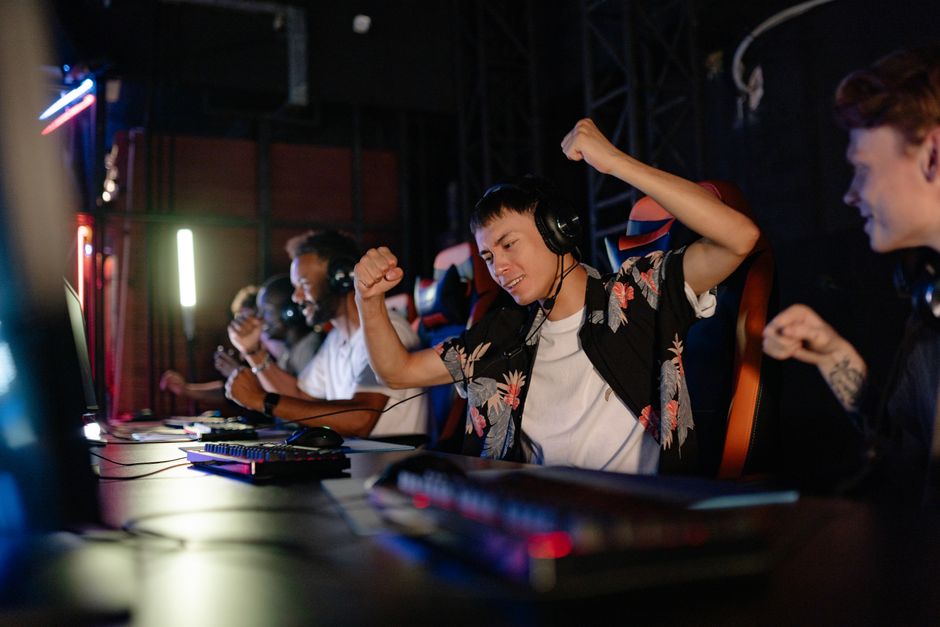
Related in Esports

Oct 5, 2026
How Anti-Cheat Software Actually Works — And Why It's One of Esports' Hardest Problems
Competitive integrity is the foundation everything in esports is built on. Without it, tournaments l…
Read More →
Oct 2, 2026
What Is a Tournament Bracket — And How Does It Actually Work in Esports?
If you've ever watched a major esports event and felt lost the moment the bracket appeared on screen…
Read More →
Oct 1, 2026
5 Myths About Esports Salaries That Need to Stop Spreading
Esports money talk is everywhere — on forums, in Discord servers, in comment sections under every ma…
Read More →